
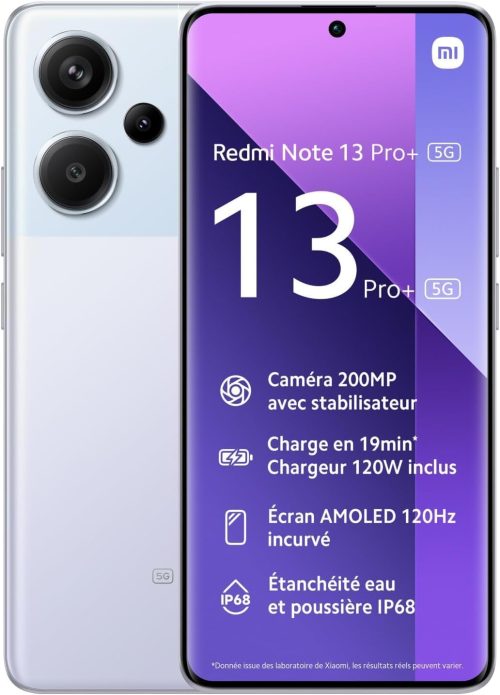
Xiaomi Redmi Note 13 Pro+ 5G (256GB + 8GB) 6.67″
The Xiaomi 13 Pro is a strong flagship with a dated aesthetic that gets in the way. If the company had just channeled the Xiaomi 13, this would be a very different review. But as it is, paired with some overheating when put under more stress, we need a redesign for the 14 Pro.
Pros
- +Snappy Snapdragon 8 Gen 2
- +Gorgeous OLED screen
- +Great camera system
- +Good battery life
Cons
- –Dated design
- –Curved display victim to accidental taps
- –No headphone jack
- –Some overheating concerns under strenuous use
- –Why can’t this look like the Xiaomi 13!?
The Xiaomi 13 Pro has a bit of an identity crisis. For all the new innovations you’ll find in there, it looks a little dated.
I mean I could go on and on about the 1-inch camera sensor, the Snapdragon 8 Gen 2 processor, and the big, beautiful LTPO OLED display. But this generic curved combo of glass and metal has been with us for years — especially so when you see how good the standard Xiaomi 13 is looking.
So, I guess the question is simple. Does this offer enough under the hood and in use to be worth both that step up in cost, and the step back in aesthetics over the standard 13?
We have just received U.K. pricing in time for writing this review! The Xiaomi 13 Pro comes in one configuration (12GB RAM + 256GB storage) for £1,099. This puts it in the upper echelon of flagship smartphones — matching the price of the iPhone 14 Pro.
However, it is cheaper than the £1,399 asking price of the Samsung Galaxy S23 Ultra. So while you’re seeing some ultra premium specs in the 13 Pro, you’re not necessarily paying ultra premium prices for them.
I will start this by saying there’s nothing overtly wrong with the Xiaomi 13 Pro’s design. The curvature of the glass and aluminum bumper makes it fit in the hand nicely. And outside of some frustrations like the lack of a headphone jack and the curved edges of the display, it’s sleek, but also a little too familiar.
In a world where the design language has moved onto utilitarian aesthetics — bold, flattened bumpers and flat displays, I hate to say that the 13 Pro just looks a bit mundane. Holding this phone immediately took me back to my OnePlus 7T Pro, which was a stunner at the time, but Xiaomi really needed to bring this phone into 2023 with a refresh.
Breaking down the specifics, at 6.4 x 2.9 x 0.3 inches and a weight of 7.4 ounces, these are familiar dimensions to those who held a Xiaomi 12 Pro (6.4 x 2.94 x 0.32 inches, 7.4 ounces). And while the iPhone 14 Pro is smaller and lighter (5.81 x 2.81 x 0.31 inches, 7.3 ounces), the 13 Pro does cut a similar-yet-lighter profile to the Galaxy S23 Ultra (6.4 x 3.1 x 0.35 inches, 8.3 ounces).
So you can tell it feels premium in its construction, but looking at how drop dead gorgeous the Xiaomi 13 is, I feel like this is a missed opportunity to really sex up this chassis.
For all intents and purposes, the Xiaomi 13 Pro is a great phone — packing a gorgeous screen, stellar camera system, beasty battery life, and lightning quick internals.
But this classic curved sandwich design of glass and metal is beginning to feel really dated now. Alongside the sleek, utilitarian stylings of the Xiaomi 13, the difference is night and day. And MIUI 14 continues the problematic trend of bloatware.
Plus, for all the love I have for that 1-inch sensor, the difference in photo quality between this and the standard 13 is not too noticeable. The Pro is great, but I know which of Xiaomi’s new flagships I would buy.